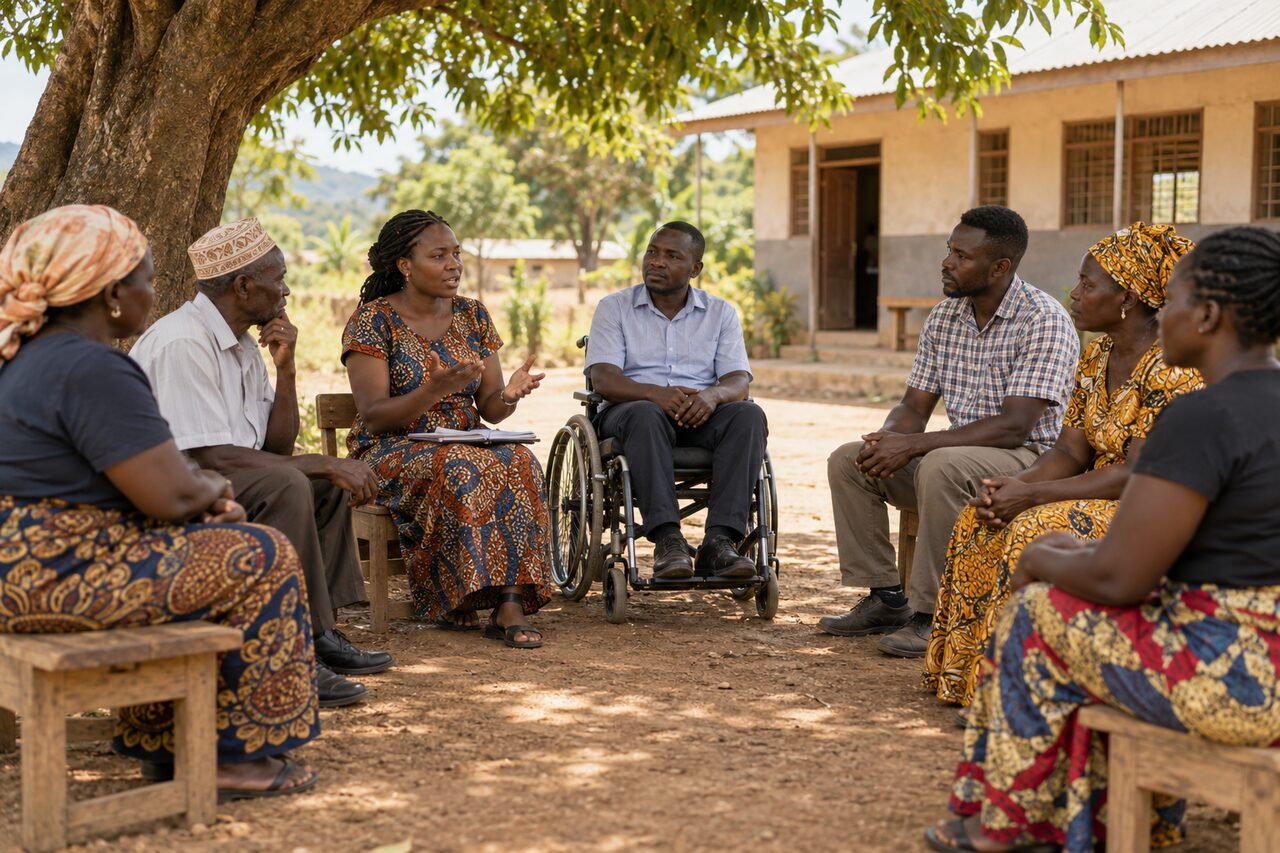
The Community Outreach & Advocacy department is Wings For The Nations's community-facing platform for awareness, dialogue, inclusion and mobilisation. It exists to make useful information and meaningful participation more accessible to children, young people, parents, families, community leaders, organisations and other local stakeholders.
Our mission
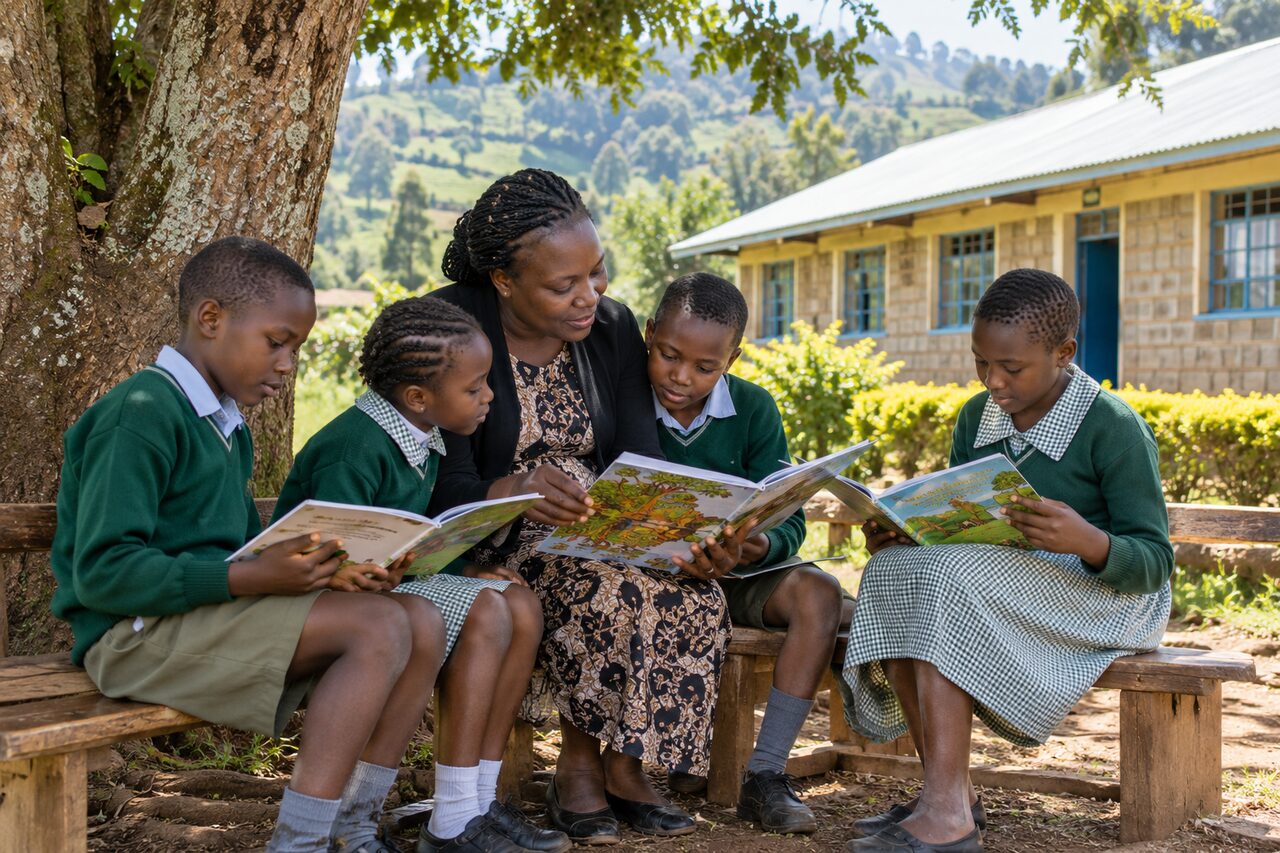
To strengthen communities through inclusive outreach, practical social awareness, community dialogue, age-appropriate learning, accessible resource spaces and partnerships that help people understand challenges and participate in workable solutions.
Our vision
Connected communities in which people of different ages, genders and backgrounds can access information, participate safely, contribute ideas and work together toward healthier, safer and more resilient community life.
Our values
- Dignity - Every person deserves to be heard and treated with respect.
- Participation - People should have meaningful opportunities to contribute, not only receive information.
- Inclusion - Activities should reduce barriers to participation.
- Accuracy - Public awareness messages should be responsible and fact-based.
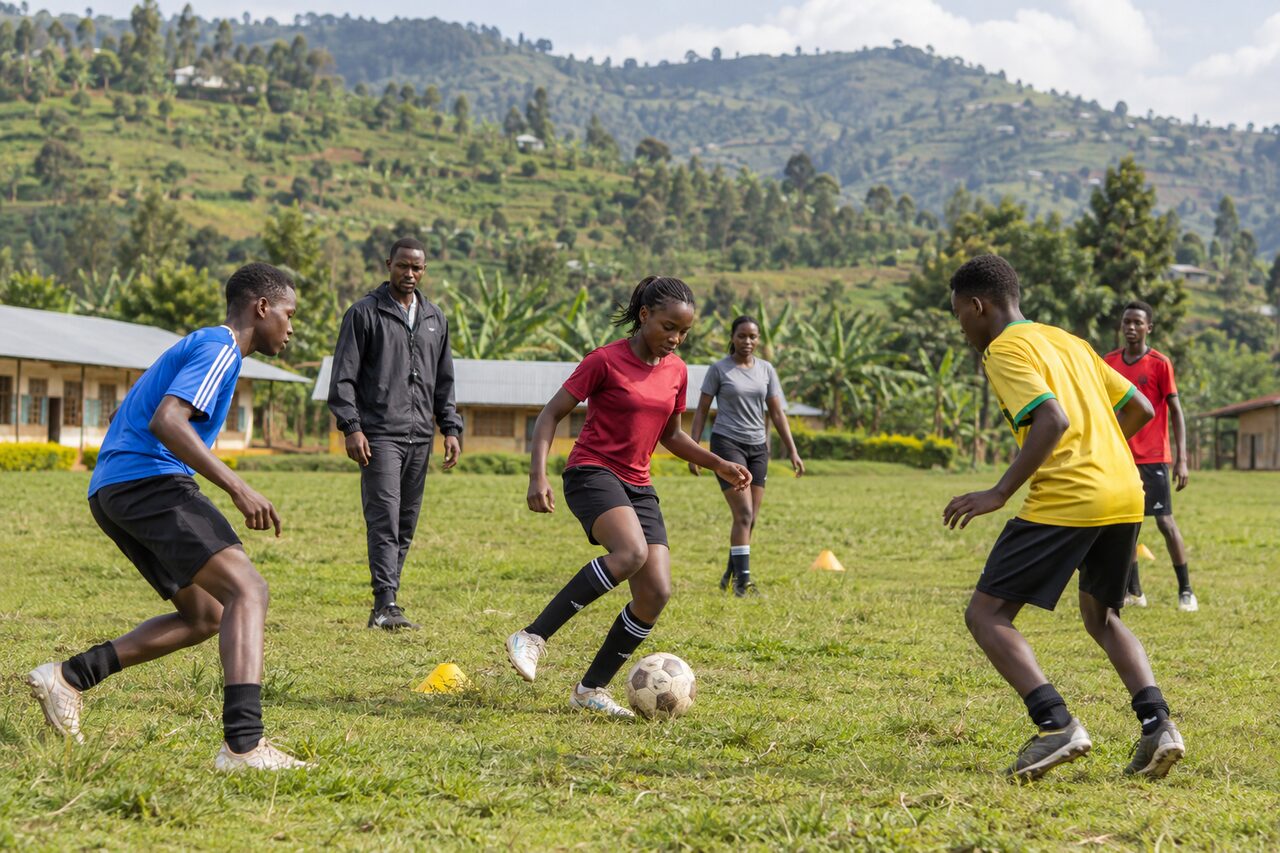
- Creativity - Drama, arts, sport and public events can make learning accessible and memorable.
- Safeguarding - Children and vulnerable participants require safe structures and appropriate boundaries.
- Collaboration - Community challenges are better addressed through coordinated effort.
- Integrity - Fundraising, advocacy, events and public communication should be transparent and non-exploitative.
From awareness to shared action
Our outreach model combines communication, participation, referral and community ownership. Activities are selected according to the audience, issue, setting and resources available.
1. Listen and identify
Engage community members, leaders and partners to understand the issue, existing strengths, barriers and groups most affected.
2. Design the message
Prepare content that is accurate, respectful, culturally appropriate and suitable for the age and literacy level of the audience.
3. Choose the right format
Use drama, skits, games, conferences, barazas, walks, competitions, resource-centre sessions or other appropriate formats.
4. Create participation
Build in questions, small-group discussion, feedback, demonstrations, games, signposting or other ways for people to engage.
5. Connect to solutions
Where relevant, provide referrals, service information, programme contacts, training opportunities or next-step resources.
6. Review and improve
Capture attendance, feedback, key concerns, referrals and lessons so future outreach can improve.