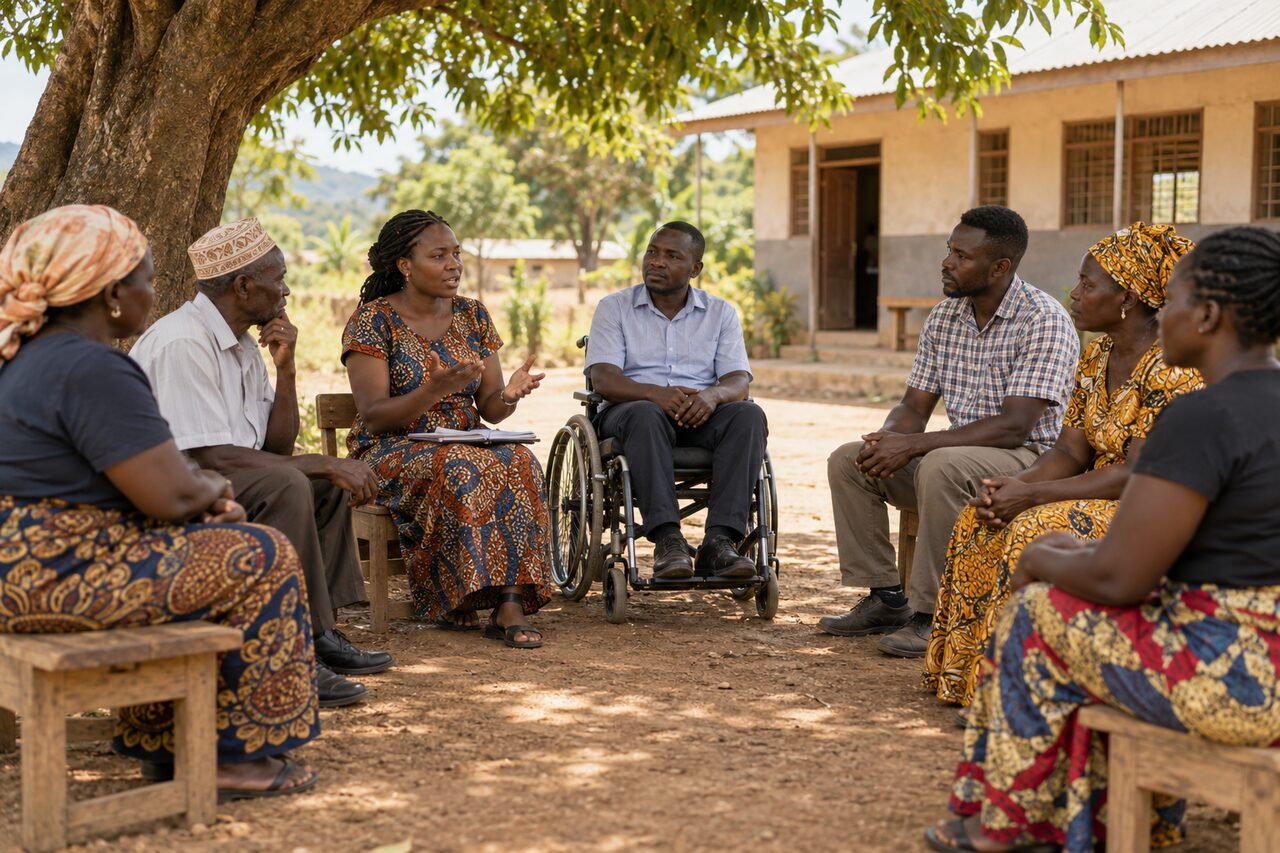

Markets and other busy public spaces bring together people from different backgrounds, ages and occupations. Our market outreach programme uses short skits, drama, facilitated discussion and clear take-home messages to make social awareness practical, memorable and accessible.
How an outreach may work
- Select a clearly defined community issue and audience.
- Prepare a short script or demonstration with accurate, respectful messaging.
- Use trained facilitators or performers who understand safeguarding and boundaries.
- Present the skit or drama in an approved, safe location.
- Invite brief audience reflection or questions where appropriate.
- Share simple next-step information, referrals or resource contacts.
- Document attendance, questions and feedback without exposing private cases.
Possible awareness themes
Topics should be selected according to community need, programme competence and appropriate partnerships. Examples may include child safety, health seeking, nutrition, sanitation, family communication, substance-use prevention, violence prevention, education, livelihood opportunities, environmental responsibility and available community services.
Creative communication with responsibility
Drama can turn complex social issues into understandable stories, but sensitive topics must be handled carefully. Scripts should educate without humiliating people, sensationalising trauma or reinforcing harmful stereotypes.
Content standards
- Use fictional or composite situations unless explicit, appropriate consent exists for a real story.
- Avoid graphic depictions of abuse, sexual violence, self-harm or other traumatic events in general public settings.
- Do not portray women, men, children, persons with disabilities or marginalised groups in degrading or discriminatory ways.
- Provide clear solution-oriented messages, not fear alone.
- Where a topic is technical, involve a competent subject partner to check accuracy.
- Use language the intended audience can understand.
- Keep child-facing material developmentally appropriate.
- Prepare facilitators to respond safely if a participant discloses a protection concern.
Turning discussion into practical action
What did we see? Why does it matter? What can individuals or families do? Where can someone seek help or more information? What can the community do together?